
I still remember the first time I heard the Splatoon 2 soundtrack and thought, wait, who made this? It was bright, weird, restless, and somehow exactly right. So when I read that Ryo Nagamatsu had left Nintendo after 17 years, I felt that strange little pang you get when a name you never saw on screen suddenly becomes important to you. No kidding, I sat there for a minute just thinking about all the games he had touched.
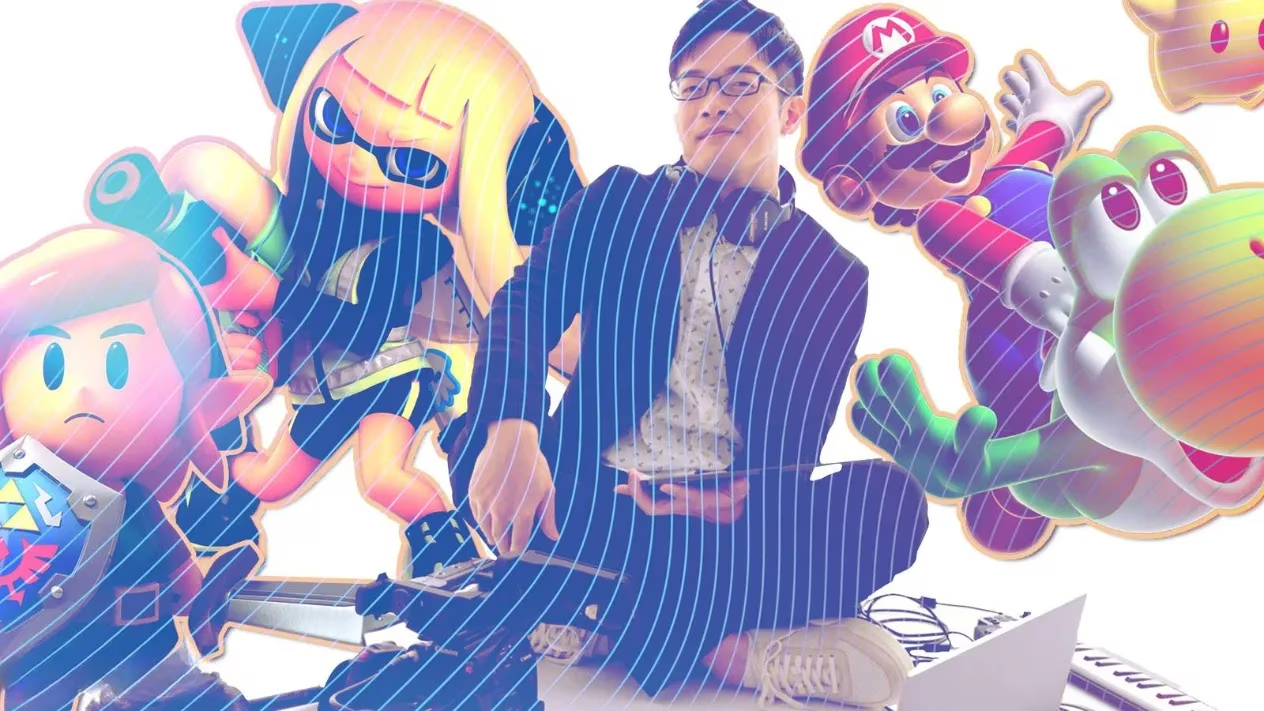
Nagamatsu announced that he had made the decision to leave the company on April 30, 2023, sharing a statement in both English and Japanese. He said he wanted to work a little wider and more directly to help those who need his help and to help the industry. He also thanked fans for their support and said he looked forward to serving them in the future. That wording matters to me. It does not sound like a bitter exit. It sounds like someone opening a door and stepping into a bigger room.
The Day the Music Shifted
I am just a player, not a composer, so I cannot pretend to understand the daily life of someone writing music inside Nintendo. But I can understand what his work did to the games I played. Nagamatsu was only 40 years old when he left, yet he had 17 years of experience at Nintendo. That is a strange combination, isn't it? Young enough to still feel like a new voice, experienced enough to have shaped a whole era of sound. He even shared a second photograph that had been lightly doctored to look as old as his resume suggested. That joke landed for me. It was a small, human moment in a corporate farewell.
His resume is not small at all. He gave us soundtracks for Splatoon 2 and Splatoon 3, Wii Sports Resort, Super Mario Galaxy 2, Mario Kart 8, Super Smash Bros. Ultimate, The Legend of Zelda: Link's Awakening, and A Link Between Worlds, among others. That is a wild list. It jumps from sports minigames to cosmic platforming to kart racing to fighting games to Zelda. Not every composer gets to stretch across that many moods, and not every composer makes each mood feel like it belongs.
| Game | What I remember |
|---|---|
| Splatoon 2 and 3 | Loud, strange, and full of personality 🎧 |
| Wii Sports Resort | Sunny, easy, and impossible not to hum |
| Super Mario Galaxy 2 | Big and playful, with a little bit of wonder |
| Mario Kart 8 | Fast, clean, and built for repeat races |
| Super Smash Bros. Ultimate | A giant celebration in sound |
| A Link Between Worlds and Link's Awakening | Gentle, clever arrangements that respect the source |
I have to say, the Zelda work is what stuck with me most. A Link Between Worlds and Link's Awakening are not just remakes or follow-ups in my head. They are little music boxes that open at the right moment. Fans noticed that too. One ResetEra user called him a fantastic arranger and said his work on those two Zelda games was superb, describing it as perfectly tasteful interpretations of the source materials. Another said Splatoon music is so unique and distinct, and called his departure sad for Nintendo while noting that it was cool he would move around.
What Fans Said, and What I Felt
I read those reactions and nodded along. Honestly, that one hit me. It is easy to forget that game music is made by people who have careers, moods, families, and plans. We hear the final mix. We do not hear the deadlines, the revisions, or the quiet decision to leave a place after nearly two decades. Nagamatsu described his departure as an amicable settlement, so it sounds like he simply wanted to spread his wings and leave the Nintendo nest. It also sounds like he could still work as a freelancer for other studios, and maybe even provide Nintendo with another soundtrack here and there. That possibility is nice to keep in my pocket.
By 2026, this farewell is no longer fresh news, but it still says something about the industry. Composers move. Studios change. The music stays. When The Super Mario Bros. Movie crossed $1 billion worldwide in 2023, it became the highest-grossing video game adaptation at the time, and that milestone felt like a loud signal that game worlds had escaped the console and gone mainstream. In that climate, a composer like Nagamatsu stepping out on his own makes sense. He is not leaving music behind. He is changing where the music happens.
So this is my small player's farewell. Thank you for the Splatoon noise, the Wii Sports Resort sunshine, the Zelda arrangements, and all the tracks I never knew I needed. I will keep listening. And if his name shows up in a new game's credits, I will probably smile and say, oh, he is still out there. That feels right.