
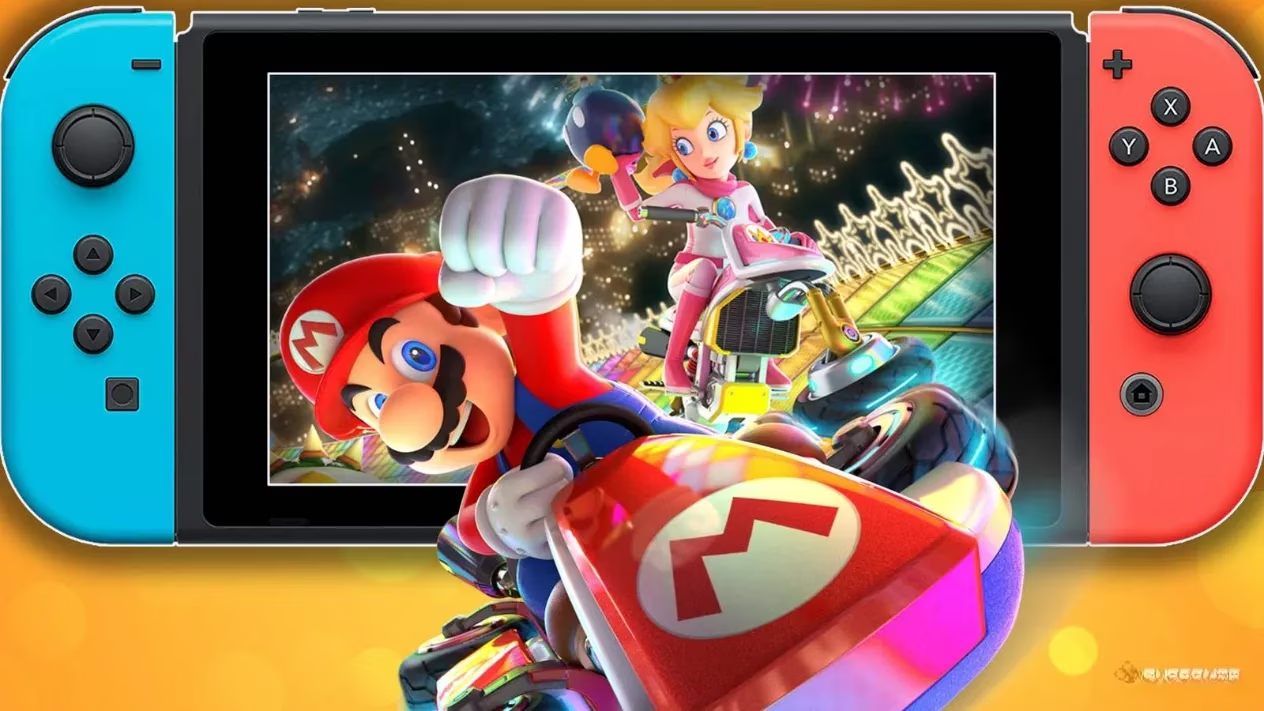
As of 2026, the sales charts for the Nintendo Switch continue to tell a fascinating story. The platform's top-selling title remains not a native Switch creation, but a refined version of a game from its predecessor. Mario Kart 8 Deluxe, an expanded port of the Wii U's Mario Kart 8, has sold a staggering 67.35 million units, solidifying its reign. This figure is particularly remarkable when contrasted with the original Wii U release, which managed 8.46 million sales. This monumental success story makes a compelling case for the strategic value of ports, demonstrating how they can breathe new life into existing content and reach unprecedented audiences.
The primary power of a port lies in its ability to radically expand a game's audience. For many players, their gaming history is defined by the consoles they owned—or couldn't afford—during their formative years. Countless classic titles on platforms like the original PlayStation, Xbox, or even PC remained inaccessible. Ports serve as bridges across these generational and financial divides, allowing new players to discover gems they otherwise would have missed entirely. This isn't just about discovering new games; it's also about finally completing old favorites. Many gamers first finished seminal titles like Super Mario 64, The Legend of Zelda: Ocarina of Time, or Metroid Prime thanks to their releases on handhelds or modern consoles like the Switch, which often introduce quality-of-life features like save states that make older, more challenging games more approachable.
Beyond simple accessibility, modern ports can transform into comprehensive historical documents. Studios like Digital Eclipse have pioneered this approach, creating what they term "interactive documentaries." Their 2023 release, The Making of Karateka, didn't just port a classic game; it surrounded it with archival materials, developer interviews, and multiple playable versions, including prototypes and a modern remaster. This package allowed players to experience the game's full creative journey, understanding its context and evolution. Such projects show that ports can be far more than a straightforward re-release; they can be celebrations of gaming heritage and invaluable educational tools.
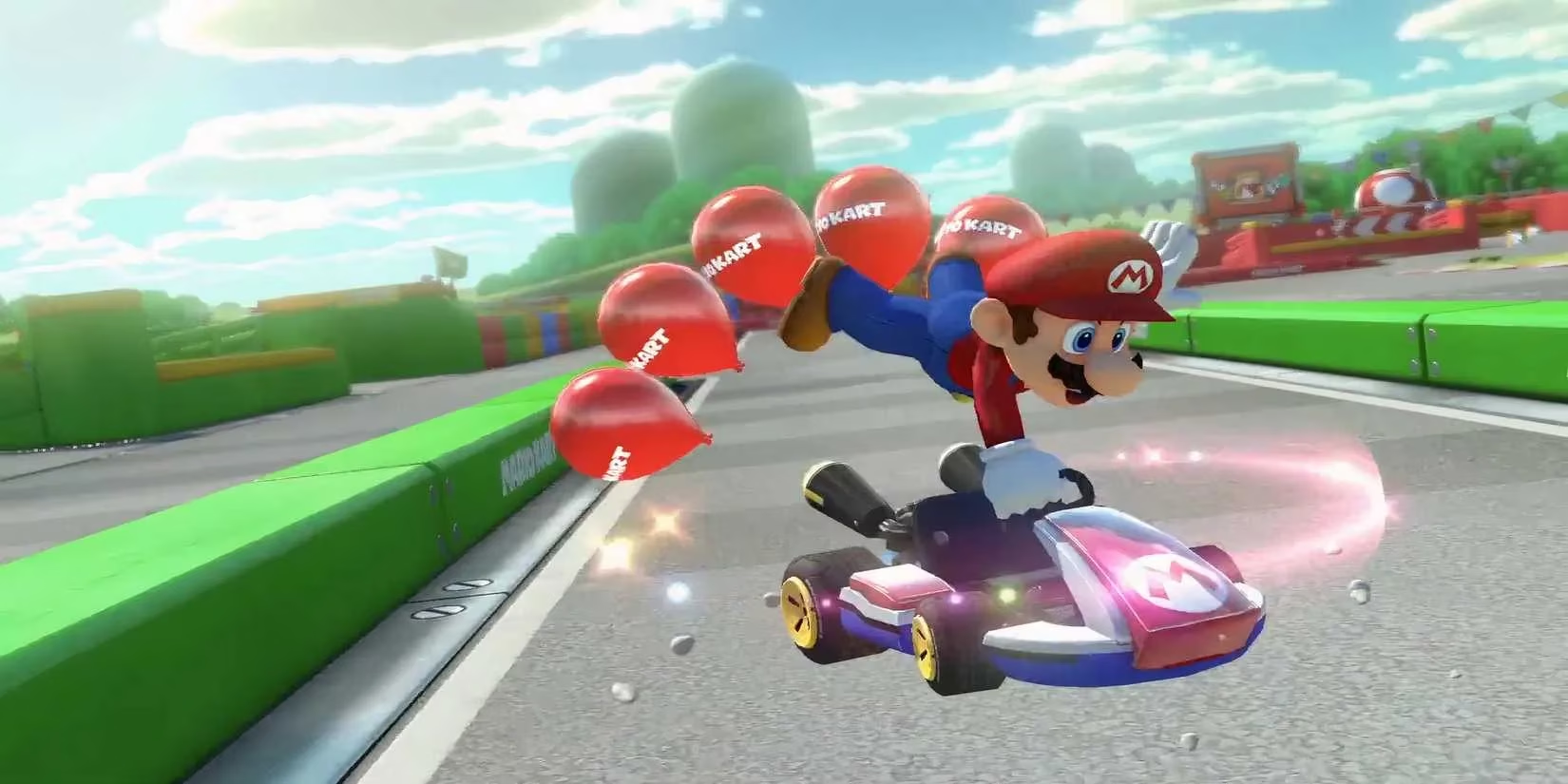
For developers and publishers, the financial argument for ports, as proven by Mario Kart 8 Deluxe, is overwhelmingly strong. Instead of investing years and tens of millions of dollars into developing a brand-new Mario Kart from scratch, Nintendo chose to polish an existing, critically acclaimed title. They added new content, enhanced multiplayer features, and released it on a console with a massive install base. The result? It became the Switch's best-selling game and the fifth best-selling video game of all time. The return on investment for this port was astronomical, proving that revitalizing a proven product can be a smarter business move than an entirely new gamble.
Of course, not every port will achieve Mario Kart-level success. However, the potential rewards are significant enough to warrant consideration for many dormant franchises. Imagine the possibilities if other publishers followed this model:
-
Konami could reintroduce classics like Metal Gear Solid 4: Guns of the Patriots to a new generation on current consoles.
-
Sega might find a passionate new fanbase for cult favorites like Billy Hatcher and the Giant Egg with a smart Switch port.
-
Countless beloved PlayStation 2 or Xbox 360 exclusives remain trapped on aging hardware, waiting for a chance to shine again.
The lesson from Mario Kart 8 Deluxe is clear: ports are a win-win. For players, they provide access to classic and overlooked experiences, often with modern conveniences. For the industry, they represent a lower-risk, high-reward strategy that preserves gaming history while generating substantial revenue. In an era where development costs are soaring, the intelligent port is not a sign of creative stagnation, but a savvy and often deeply appreciated practice. The success story written by Mario Kart 8 Deluxe continues to echo, encouraging publishers to look into their back catalogs and ask: what classic is waiting for its second chance?